Telescope vs Spotting Scope: Which One Fits You? (November 2026)
Choose a telescope for regular astronomy, or a spotting scope for daytime land viewing with occasional night use. A portable refractor can bridge both if you want one simple kit for family trips.
On this page (9 sections)
- Telescope vs Spotting Scope: Which One Fits You?
- Telescope vs spotting scope: which is better for your main target?
- How does image orientation affect the choice?
- Which design is easier to carry and set up?
- What should you compare before choosing?
- How do you set up and care for either scope?
- What common mistakes should you avoid?
- Which Celestron scope fits each use?
- How should you make the final choice?
Telescope vs Spotting Scope: Which One Fits You?
Choose a telescope for regular astronomy, or a spotting scope for daytime land viewing with occasional night use. The telescope vs spotting scope decision comes down to your usual targets, how you want the view oriented and whether you need to carry the whole setup.
A telescope is a natural fit when you plan regular sessions with the Moon, planets or bright star clusters. A spotting scope is built for distant land targets such as wildlife and scenery, though some models can also show objects at night.
Some refractor telescopes cover both day and night use. That makes them a practical middle ground for families who want to observe scenery on a trip and look at the sky after dark.
If you are still weighing telescope types, our telescope buying guide explains the main choices. This comparison focuses on the practical differences and 3 Celestron options for different routines.
Telescope vs spotting scope: which is better for your main target?
A telescope usually suits regular astronomy better; a spotting scope suits land targets and can cover occasional night viewing. Start with what you will observe most often, then check whether the specific model supports your other plans.
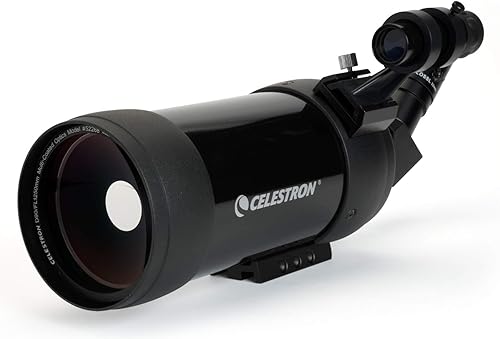
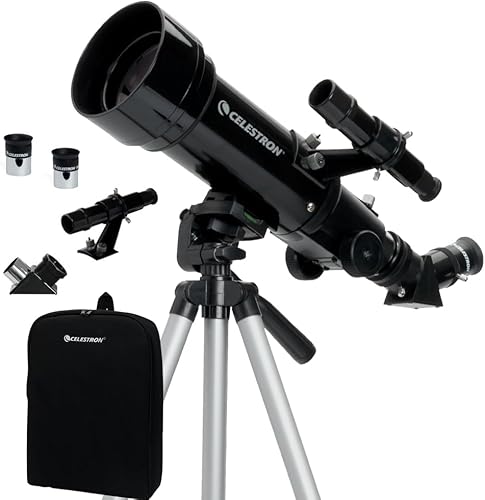
The Celestron Travel Scope 70 and AstroMaster 70AZ are 70mm refractors described for the Moon, planets, bright star clusters and terrestrial targets. The C90 is a Maksutov-Cassegrain spotting scope designed for distant land targets and astronomical objects at night.
That crossover does not mean all scopes perform the same way in every setting. What you see depends on the target, sky conditions, magnification, stability and observing location.
When does a telescope suit astronomy better?
A beginner refractor is the better starting point when night-sky viewing will be your regular use. The Travel Scope 70 is a travel-ready kit, while the AstroMaster 70AZ offers a backyard setup with a red dot finder.
Both models have 70mm apertures and include 20mm and 10mm eyepieces. The AstroMaster’s StarPointer helps you aim, and its panhandle moves the manual mount up, down and side to side.
For a broader first-scope decision, see our guide to what telescope you should buy. It compares the kinds of designs that may belong on a beginner’s shortlist.
When does a spotting scope make more sense?
Choose the C90 when distant daytime targets come first and you also want the option to observe at night. Its 45° erect image diagonal gives a more natural view of land targets.
The C90 has a 90mm aperture and a compact Maksutov-Cassegrain design that folds the light path. It also accepts a camera with the correct optional T-adapter and T-ring, which makes it an option for digiscoping.
How does image orientation affect the choice?
An upright image is useful for land viewing, while orientation is usually less important for astronomy. If you will watch wildlife or scan a landscape, check whether the scope and diagonal produce a view that feels natural.
The C90 includes a 45° erect image diagonal. The Travel Scope 70 also includes a 45° erect image diagonal, and the AstroMaster 70AZ comes with an erect image diagonal.
A diagonal changes the viewing angle and image orientation. It does not make a scope equally suited to every task, so also weigh its optics, mount, portability and intended targets.
If a view looks unfamiliar, our guide to why a telescope image can look upside down explains why that happens and how accessories can affect orientation.
Which design is easier to carry and set up?
The Travel Scope 70 is the simplest choice for a family that wants a packable kit and quick setup. The C90 is compact for its focal length, while the assembled AstroMaster is better suited to a routine where the tripod can stay close at hand.
The Travel Scope 70 requires no tools to set up and packs with its accessories into an included backpack. The C90 also comes with a backpack, and its folded optical path makes the tube smaller than other scopes with a similar focal length.
The AstroMaster weighs 10.8 lb fully assembled and has an adjustable tripod. That can work well for backyard sessions, but consider the full kit if you plan to carry it far.
Before choosing, picture where you will store the scope and how you will transport its tripod and accessories. Our guide to portable telescopes for travel and small spaces covers more packing considerations.
What should you compare before choosing?
Compare the included mount, eyepieces, diagonal and finder along with aperture and optical design. These details affect setup and use more than the label “telescope” or “spotting scope” alone.
The C90’s 90mm aperture and folded Maksutov-Cassegrain design suit its compact dual-use role. The two refractors have 70mm apertures, and both include a 20mm and a 10mm eyepiece.
The Travel Scope 70 comes with an altazimuth mount and a preassembled mount and tripod. The AstroMaster has a manual alt-azimuth mount with a panhandle and includes a StarPointer red dot finder.
Telescope vs spotting scope for a shared family setup
The Travel Scope 70 is the strongest fit for families who want an easy kit to share on trips. Its no-tool setup, backpack and day-and-night use keep the routine straightforward.
The AstroMaster 70AZ is also described for adults and kids, but its assembled weight makes it more convenient for backyard use than frequent long carries. The C90 is compact and versatile, though its Maksutov corrector plate takes longer to adjust to the air temperature.
Skip a dual-use scope if you do not expect to use it for both daytime and night viewing. A dedicated astronomy setup may be a better match when the sky is your only priority.
How much does the mount matter?
The mount affects how you aim and follow a target, so choose one that matches where you will observe. A simple manual mount suits beginners who want to point by hand, while portability depends on the tripod and packed accessories too.
The Travel Scope 70 has an altazimuth mount. The AstroMaster’s manual alt-azimuth mount uses a panhandle for up, down and side-to-side movement.
The C90’s specifications list an equatorial mount. Review its setup instructions before deciding whether that arrangement fits your intended use.
How do you set up and care for either scope?
Set up on firm, level ground, secure the tripod and start with the lowest-power eyepiece. A steady base and a wide view make it easier to aim and focus before you try a closer look.
For daytime use, keep the Sun out of the scope’s field of view. Point at a distant stationary object, align the finder if needed and focus slowly; then move to the target you want to observe.
At night, give your eyes time to adjust to the dark and begin with a bright, easy target such as the Moon. Let the C90 sit outside before observing so its corrector plate can adjust to the ambient air temperature.
Keep caps on the optics when the scope is stored, and use the supplied case or backpack to protect it during transport. Avoid touching the glass, and use a clean lens cloth only when dust or marks need attention.
For a step-by-step first session, follow our telescope setup guide. The guide covers the basic process of assembling and aiming a scope.
What common mistakes should you avoid?
The most common mistake is choosing by magnification claims or portability alone instead of matching the scope to your targets and setup. Check the complete kit and intended use before you buy.
A compact tube does not remove the need for a stable tripod. If you will travel with the scope, account for the tripod and accessories as well as the optical tube.
Do not expect an erect image diagonal to solve every viewing need. It helps for land targets, but astronomy buyers should also consider aperture, mount control and the objects they plan to find.
Finally, avoid starting with the highest-power eyepiece. A lower-power view is wider and easier to aim, so find the target first and switch only when it is centered and steady.
Which Celestron scope fits each use?
The Travel Scope 70 suits family travel, the AstroMaster 70AZ suits backyard astronomy, and the C90 suits compact dual use. The best match is the one whose setup and included accessories fit your regular observing routine.
Before buying, compare the eyepieces, diagonal, finder and mount with the targets you plan to observe. Our Dobsonian vs refractor guide explains another telescope design choice for beginners.
How should you make the final choice?
For telescope vs spotting scope, pick a telescope if night-sky observing is your priority; pick a spotting scope if you mainly watch distant land targets and want occasional night use. Choose a portable refractor when you want one straightforward kit for both daytime and family astronomy.
Pick the Travel Scope 70 for packable trips and quick setup, the AstroMaster 70AZ for a backyard refractor with a red dot finder, or the C90 for compact dual use and camera adaptability. If astronomy is your main goal, continue with our guide to choosing a telescope for beginners.
Frequently asked questions
Is a telescope or spotting scope better for astronomy?
A telescope is usually the better choice when astronomy is your main interest because it is designed around night-sky observing. Some spotting scopes also work at night, and the Celestron C90 is intended for land targets and astronomical objects.
It can suit someone who wants one compact optic for both.
Can you use a spotting scope as a telescope?
Yes, some spotting scopes can show astronomical objects at night. The Celestron C90 is a Maksutov-Cassegrain spotting scope designed for terrestrial and astronomical use, and its 45° erect image diagonal also suits daytime viewing.
Check the eyepiece and mount setup before planning a night session.
Why do spotting scopes show an upright image?
An upright image makes it easier to follow wildlife or scan distant scenery, so spotting scopes are arranged for terrestrial viewing. The Celestron C90 includes a 45° erect image diagonal, while telescope image orientation varies by design and accessories.
An upside-down view usually doesn't affect astronomical observing.
Can a beginner use a telescope for daytime viewing?
Yes. The Celestron Travel Scope 70 and AstroMaster 70AZ are refractors described for daytime scenery and land targets as well as night viewing.
An erect image diagonal can make daytime use feel more natural, while a manual mount lets you point across the landscape.
Which is easier to carry, a telescope or a spotting scope?
Portability depends on the whole kit. The C90 uses a folded Maksutov-Cassegrain light path and includes a backpack, and the lightweight Travel Scope 70 also comes with a backpack.
Compare the packed tube, tripod and accessories with the space you have.


